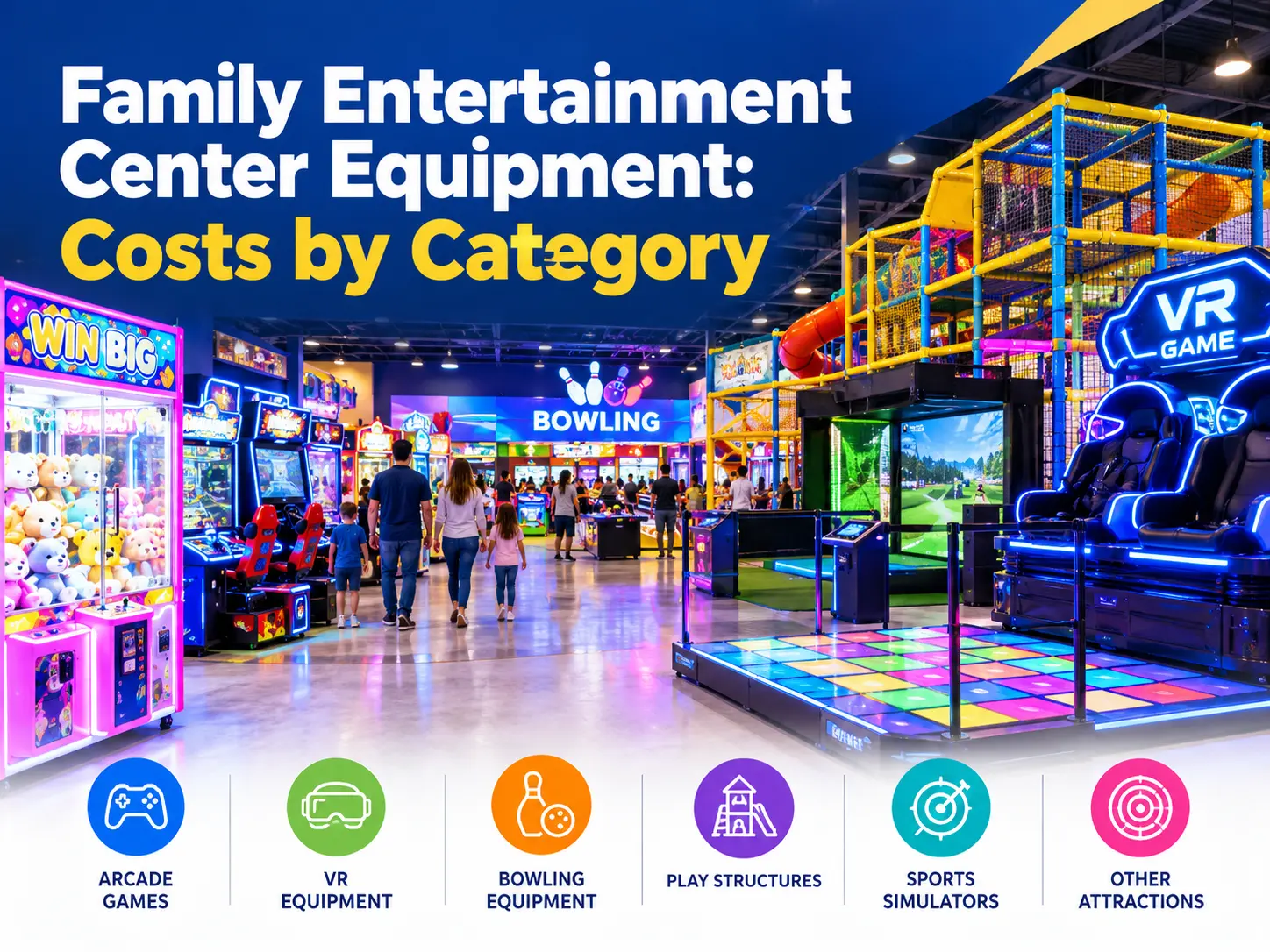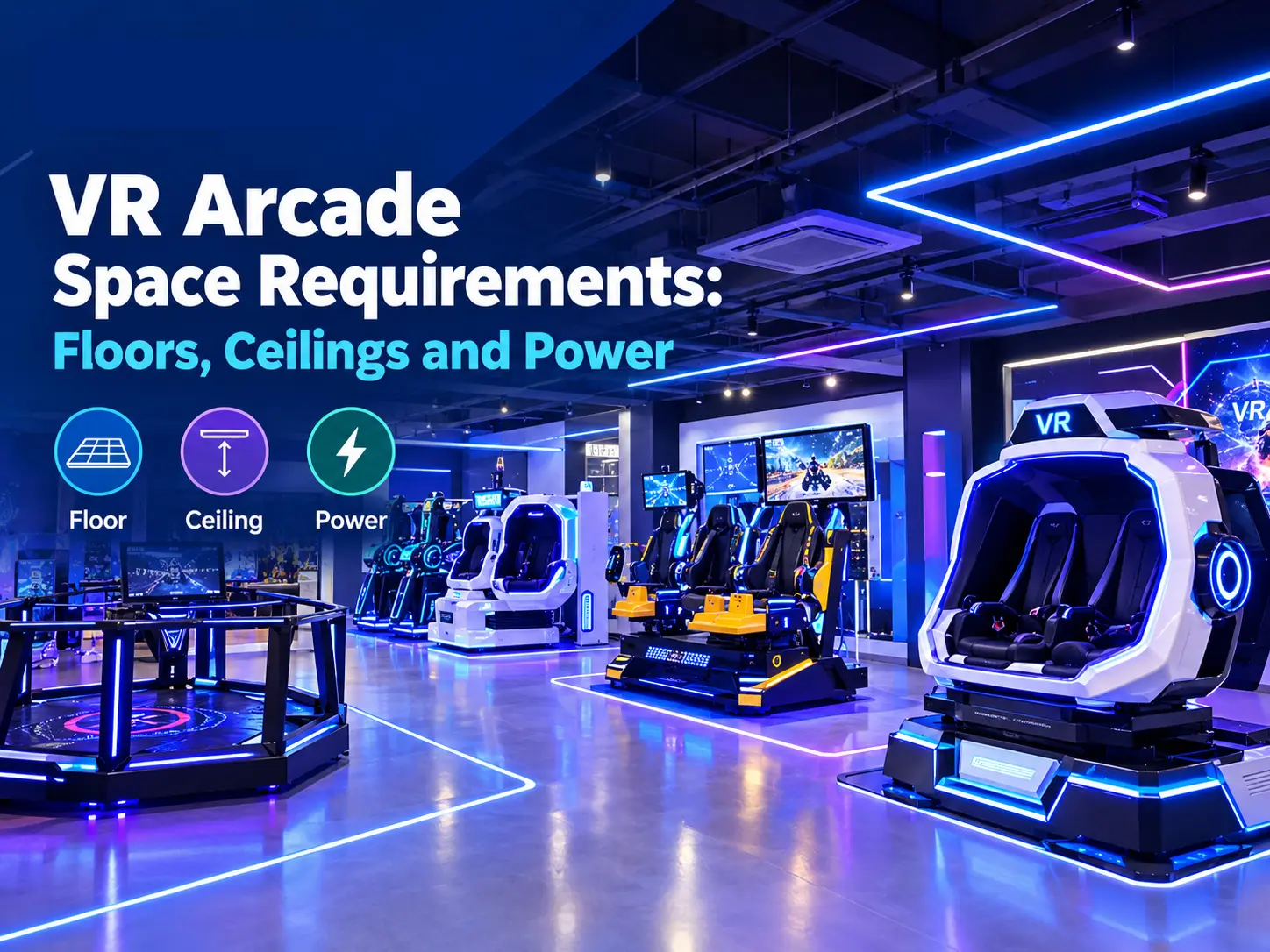
As indoor sports, digital training, and immersive entertainment continue to expand worldwide, sports simulation games have become a core attraction in commercial venues, training centers, and family entertainment spaces. These systems combine real physical movement with advanced measurement technologies, allowing players to practice, compete, or simply enjoy a sport without the limitations of weather, space, or equipment setup.
This article explains what a sports simulation game is, how different types of simulators work, and what features make each product valuable from a commercial and training perspective.
1. What Is a Sports Simulation Game?
A sports simulation game is a technology-driven system that recreates a real sport using:
Physical player interaction
High-speed optical, radar, or motion sensors
Real-time physics engines
Projection or digital display systems
Automatic scoring and performance analysis
A modern sports simulator does far more than entertain—it measures speed, angle, force, accuracy, spin, trajectory, and reaction time with professional-grade precision. This makes the equipment suitable not only for FECs and shopping malls, but also for sports education, athlete training, and corporate events.
2. Major Types of Sports Simulation Games (With Professional-Level Details)
The following breakdown highlights the function, technology, and commercial value of each primary sports simulator category used in today’s market.
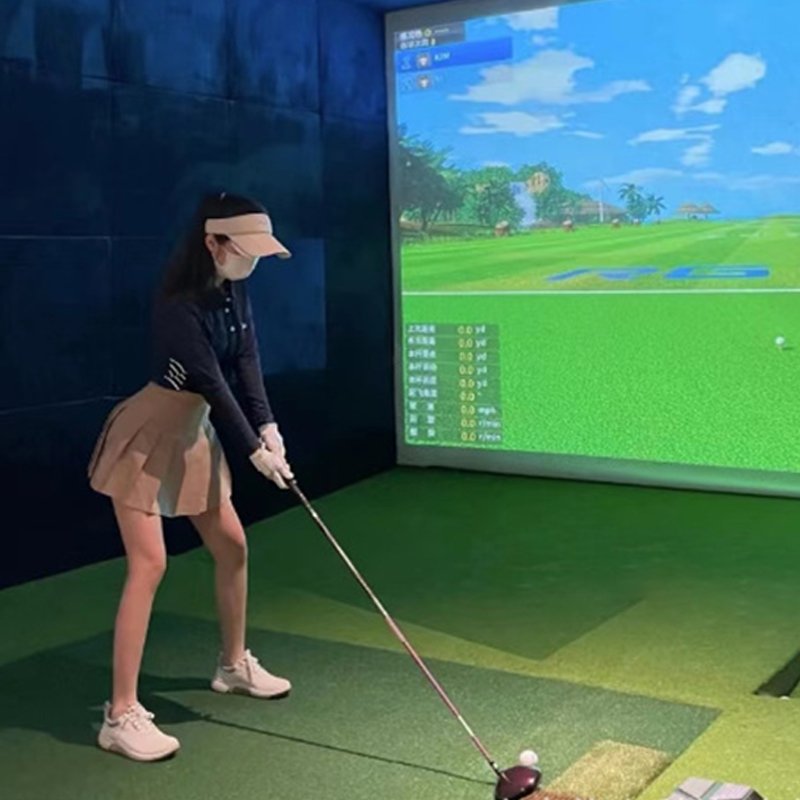
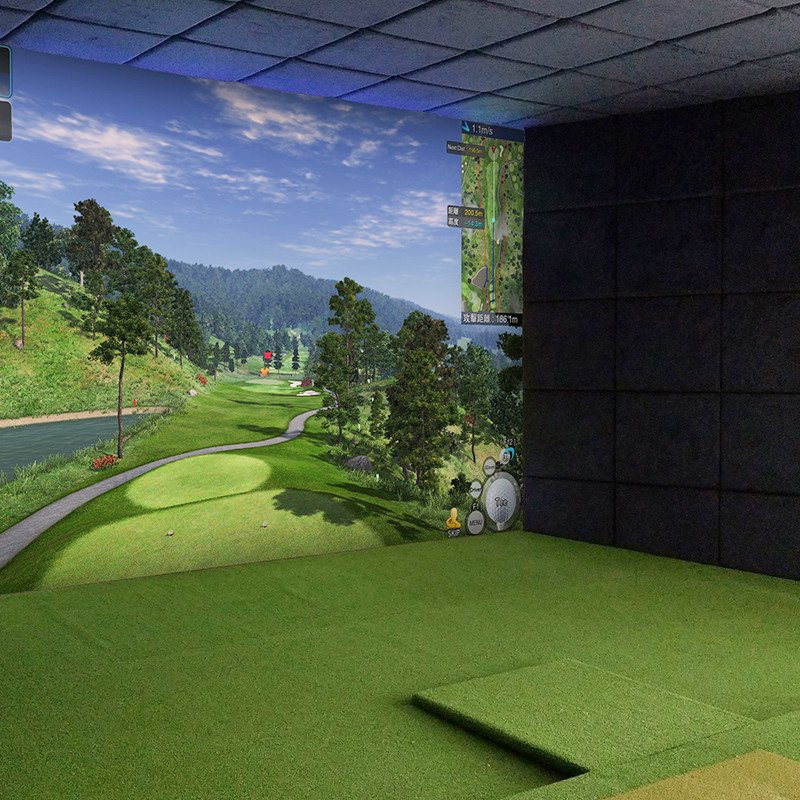
2.1 Golf Simulator
Key Features
A golf simulator replicates a full golfing experience indoors, including real clubs, real golf balls, and life-size renderings of world-famous courses. The system measures:
Clubhead speed
Ball speed
Spin rate
Launch angle
Carry distance
Impact quality
Core Technologies
3000–5000 fps high-speed cameras
Radar or LIDAR ball tracking
Infrared swing analyzers
Professional trajectory modeling engines
Commercial Advantages
High hourly rental income
Strong appeal to adults and corporat
Reliable year-round operation regardless of weather
Ideal for golf academies and training centers
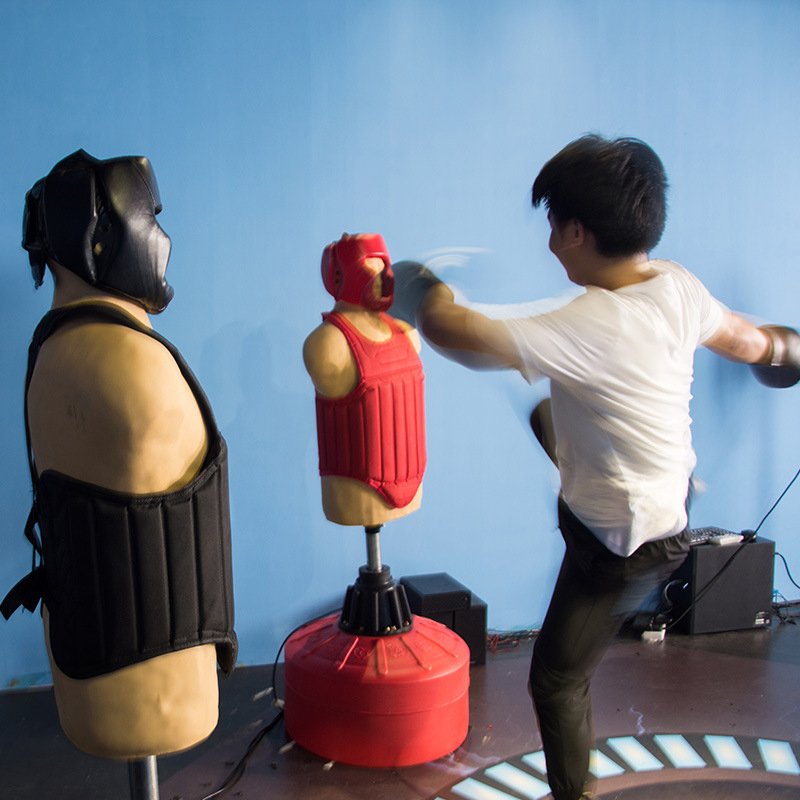
2.2 Boxing Simulator / Punch Strength Machine

Key Features
A boxing simulator measures punching force and reaction speed through a durable, commercial-grade mechanism. Modern models offer:
Force, speed, and combo analysis
Instant LED scoring
Multiple challenge formats
Reinforced punching targets designed for longevity
Core Technologies
Industrial pressure sensors
High-accuracy accelerometers
Real-time scoring algorithms
Commercial Advantages
Extremely high foot traffic and repeat play
Compact footprint with excellent ROI
Popular in FECs, bars, sports centers, and tourist venues
Minimal maintenance, strong durability
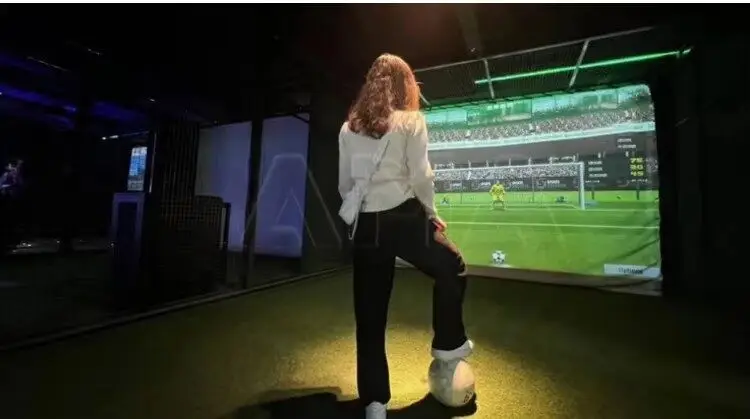
2.3 Football / Soccer Simulation Game (Penalty Kick Simulator)
Key Features
This type of sports simulator allows players to shoot a real football toward a digital goal where a virtual goalkeeper reacts instantly. The system calculates:
Shot speed
Shot angle and direction
Ball spin and curve
Trajectory physics
Goalkeeper reaction
Core Technologies
Radar speed tracking
Multi-point infrared motion grids
AI-driven goalkeeper response
Stadium-level visual rendering
Commercial Advantages
Works for all age groups
Strong competitive value and high repeat engagement
Ideal for football-dominant regions (Europe, Middle East, Latin America)
Suitable for training and entertainment
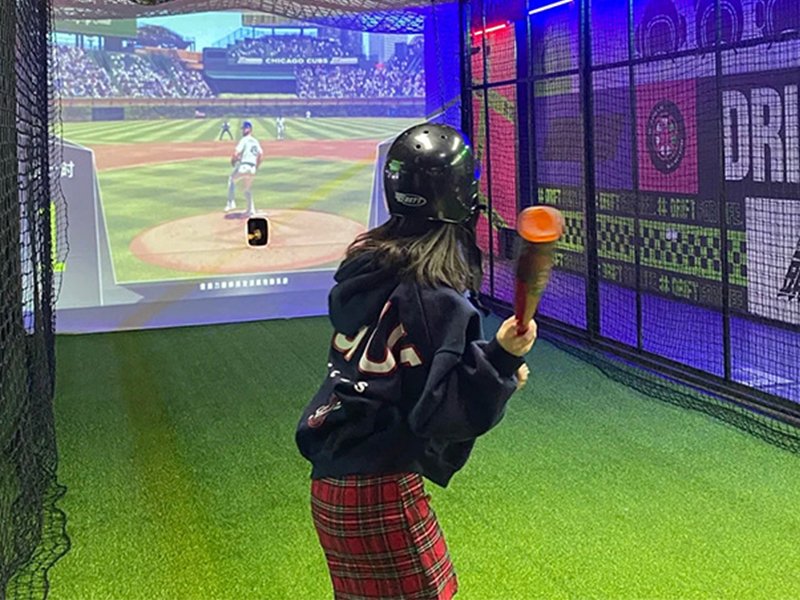
2.4 Baseball Simulator
Key Features
A baseball simulator captures the player’s swing using a real bat. The system measures:
Swing speed
Impact point
Bat trajectory
Ball flight direction and distance
Hit prediction and scoring
Core Technologies
Radar or ultrasonic sensor arrays
High-accuracy bat motion tracking
Virtual pitcher and stadium environments
Commercial Advantages
Highly effective for training programs
Very popular in North America and Japan
Adaptable to kids, teens, and adults
Supports multiplayer competition modes
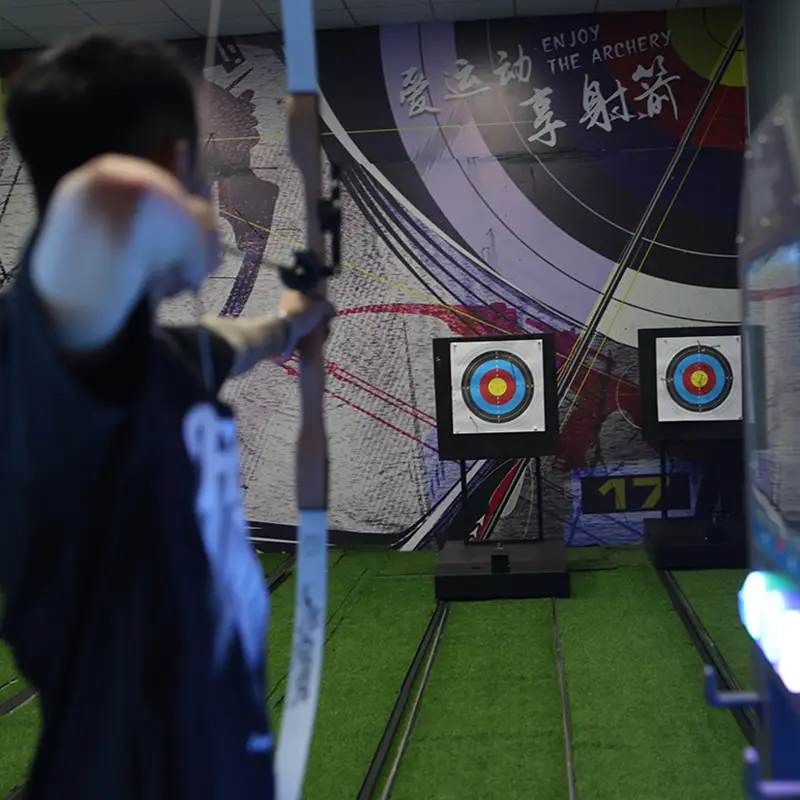
2.5 Archery Simulator

(Newly added category)
Key Features
An archery simulator delivers a safe yet realistic bow-shooting experience. Players use a training bow equipped with lightweight tracking components. The system analyzes:
Draw strength
Release angle
Target accuracy
Shot stability and trajectory
Core Technologies
Optical motion capture
Laser-based arrow positioning
Digital target boards with dynamic scoring
Realistic physics modeling for distance and drift
Commercial Advantages
Unique attraction with strong novelty value
Works well for both individual and group gameplay
Suitable for team-building events, youth programs, and FECs
No need for real arrows → safer and easier to operate
2.6 Bowling Simulator

(Newly added category)
Key Features
A bowling simulator recreates the experience of rolling a bowling ball without requiring a full-length physical bowling lane. The system captures:
Ball release speed
Rotation and spin
Angle and trajectory
Pin impact and scoring
Core Technologies
Low-friction short runway or virtual lane surface
High-speed laser sensors
Pressure-sensitive tracking mats
Advanced pinfall physics simulation
Commercial Advantages
Requires significantly less space than traditional bowling
Very low maintenance cost
Suitable for shopping malls, hotels, entertainment lounges, and compact venues
Highly accessible—ideal for families and casual players
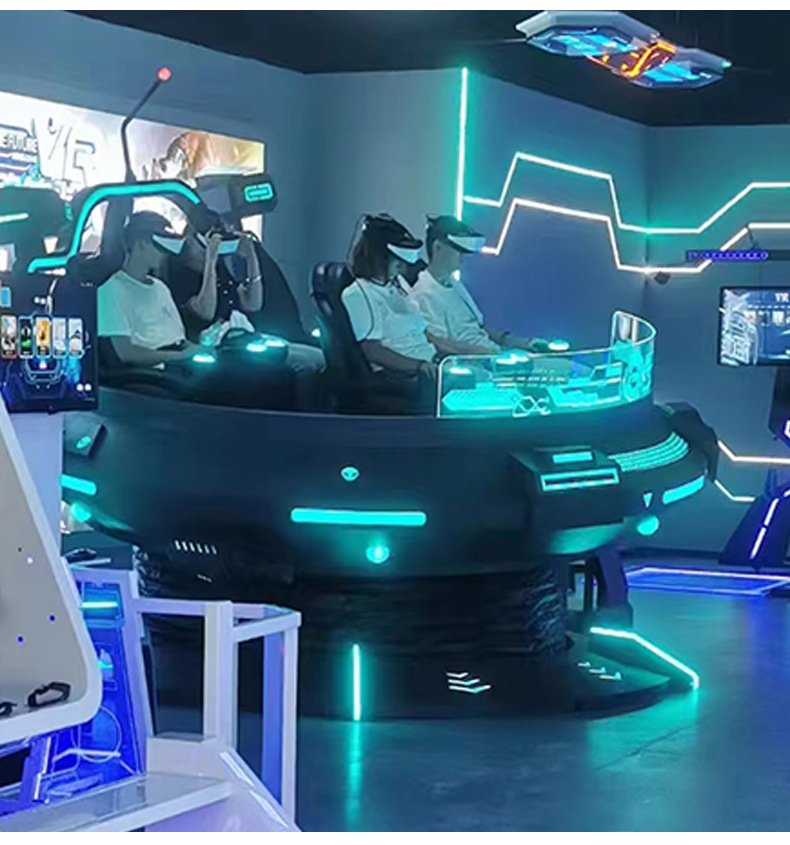
2.7 VR Sports Simulator (VR Boxing, VR Skiing, VR Tennis, etc.)
Key Features
VR sports systems bring players into fully immersive environments where they can compete or train through natural motion. Experiences include:
VR boxing
VR archery
VR skiing
VR baseball
VR table tennis
Core Technologies
High-refresh VR headsets
Full-body or hand-tracking sensors
Spatial movement algorithms
Interactive AI opponents
Commercial Advantages
Small footprint, modern appeal
Easy installation for shopping malls and VR centers
Content updates provide continuous replay value
3. Why Sports Simulation Games Are Growing Rapidly
1. Broad user acceptance
Kids, teens, adults, and beginners can all participate.
2. Safe, controlled training environment
Weather-independent, space-efficient, and low-risk.
3. High commercial return
Most sports simulator systems deliver:
Stable revenue
Low labor requirements
High durability
Strong repeat rate
4. Urban indoor entertainment demand
As cities grow denser, indoor sports experiences remain in high demand.
5. Accurate performance analytics
Unlike traditional arcade games, these systems provide measurable, real-world data.
Conclusion
A sports simulation game is a highly advanced and precisely engineered digital recreation of a physical sport. From golf, boxing, football, and baseball to archery simulators and bowling simulators, each category offers realistic physics, interactive gameplay, and strong commercial value for operators.
Modern sports simulator equipment is no longer limited to amusement—it has become a practical tool for training, events, and indoor sports centers worldwide. For businesses seeking high engagement, strong repeat customers, and efficient use of space, sports simulation games represent one of the most reliable categories in the industry.