Introduction
Building an active gaming zone requires more than simply installing interactive entertainment equipment. A successful project needs a combination of creative concept planning, suitable technology, effective space utilization, and a clear understanding of visitor behavior.
In recent years, active entertainment has become an important trend in the amusement industry. Unlike traditional arcade attractions that mainly focus on screen-based interaction, active gaming encourages players to participate through movement, competition, and social interaction.
Successful entertainment concepts such as Activate Games have demonstrated how active gaming can develop from a single attraction into a complete entertainment destination. With multiple locations across Europe and other markets, these venues show that customers are increasingly looking for experiences where they can actively participate rather than simply watch.
For investors, FEC owners, shopping mall operators, and entertainment developers, building an active gaming zone requires careful planning from the initial concept to final operation.
This guide explains the key factors involved in developing a successful active gaming project.
Understanding The Active Gaming Venue Concept
A successful active gaming zone is not simply a collection of machines placed in a room. It is a complete entertainment experience designed around player interaction.
The fundamental difference between traditional amusement equipment and active gaming is the level of participation. Instead of sitting in front of a screen, players physically interact with the game environment through movement, teamwork, and challenges.
This creates a stronger social experience that can attract different customer groups, including families, teenagers, corporate groups, and casual visitors.
For commercial entertainment venues, this type of experience creates new opportunities to increase visitor engagement, extend customer stay time, and encourage repeat visits.
Define The Purpose Of Your Active Gaming Zone
Before selecting equipment, operators should first understand what role the active gaming zone will play within their venue.
A shopping mall may use active gaming as a customer attraction that creates a memorable entertainment feature and increases visitor engagement.
A family entertainment center may integrate active gaming to provide a new experience alongside arcade machines, redemption games, and other attractions.
A dedicated active entertainment venue may focus on longer customer sessions, competitive gameplay, group activities, and event-based entertainment.
Each business model requires different planning decisions. The equipment combination, space requirement, and customer journey should all be developed according to the final business objective.
The most successful projects are not based on choosing the most advanced equipment. They are based on creating the right experience for the target audience.
Plan The Space Around Player Experience
Space planning is one of the most important parts of an active gaming project.
Unlike traditional arcade equipment, active gaming systems require players to move, interact, and sometimes compete with other participants. Therefore, the layout needs to consider not only equipment size but also movement area, safety distance, spectator viewing, and customer flow.
A compact active gaming zone can be developed in approximately 10–20 square meters. This type of installation is suitable for shopping mall activation areas, small FEC spaces, or venues that want to introduce interactive entertainment without a large investment.
Medium-sized projects around 30–50 square meters provide more flexibility. They can support multiplayer experiences and allow operators to combine different active gaming attractions.
Larger projects above 50 square meters can become dedicated active entertainment zones similar to modern commercial concepts such as Activate Games. These spaces can include multiple gameplay areas and are designed to support longer customer sessions, group activities, and event experiences.
However, larger space does not automatically create a better experience. The most important factor is how the space is designed around customer movement and engagement.
Selecting The Right Active Gaming Equipment Combination
There is no universal equipment solution for every active gaming project.
The right combination depends on the venue type, available space, target customers, and operational strategy.
Interactive floor games are often selected for locations that require strong visual attraction and easy participation. These systems have become one of the most popular solutions for commercial active gaming projects. Because visitors can immediately understand the gameplay by watching others interact, these systems work especially well in public entertainment areas such as shopping malls and family entertainment centers.
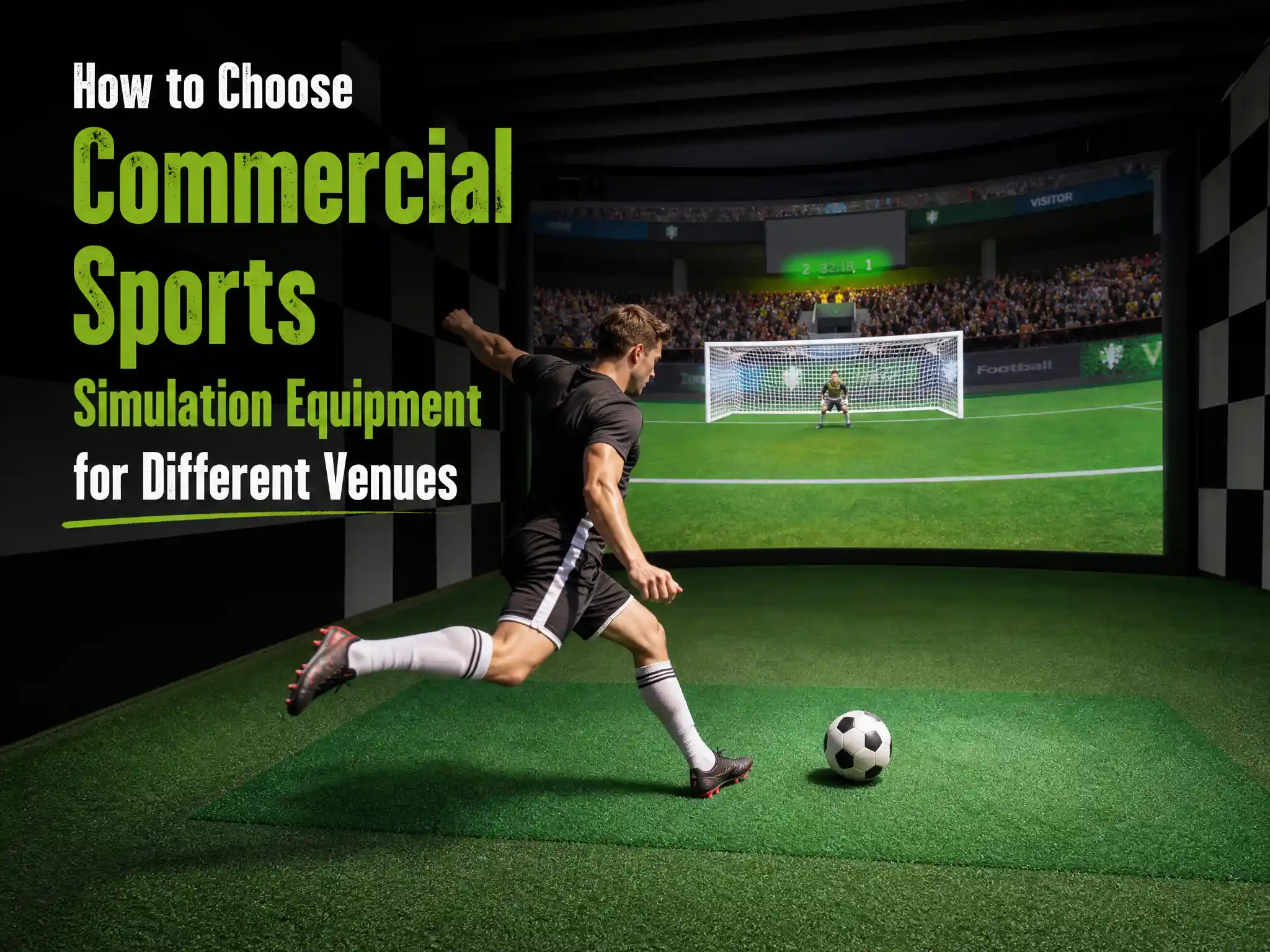
Sports simulator systems provide a different type of experience by combining physical activity with digital simulation. They are suitable for venues that want competitive gameplay and skill-based entertainment.
VR and motion-based attractions provide immersive experiences but usually require more dedicated space planning and operational consideration.
Professional active gaming projects usually combine different experiences rather than relying on a single attraction. A balanced equipment mix allows venues to serve different customer groups and increase repeat participation.
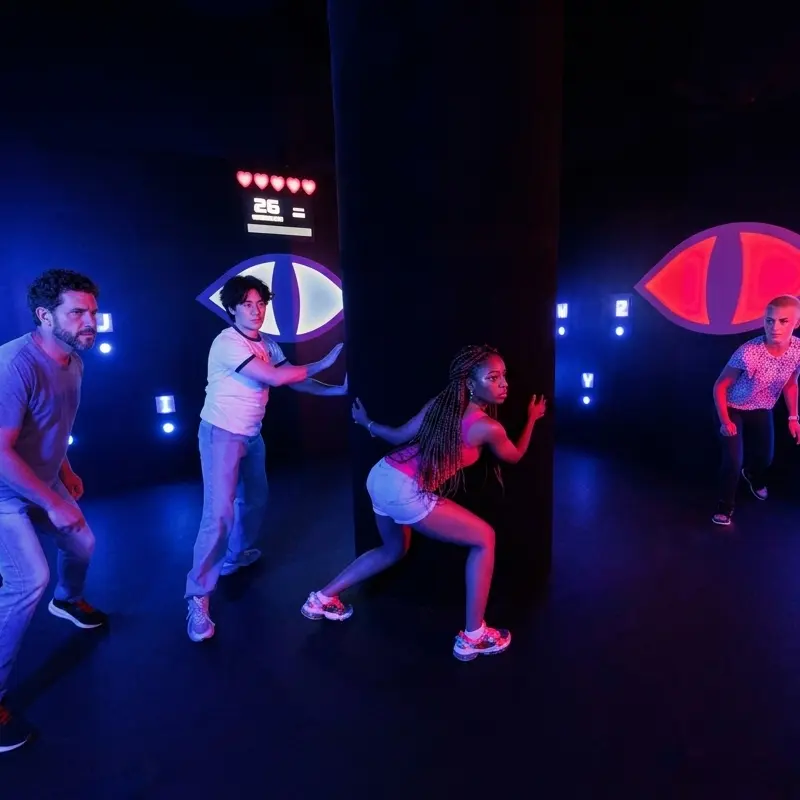
Creating A Complete Visitor Experience
The success of an active gaming zone depends not only on the equipment but also on the overall customer journey.
The first challenge is attracting attention. Visitors need to immediately understand what the experience is and why they should participate.
The second challenge is encouraging participation. The gameplay should be simple enough for first-time users while still offering enough challenge for experienced players.
The third challenge is creating repeat engagement. Updated content, multiplayer competition, ranking systems, and challenge-based gameplay can encourage customers to return.
Successful active entertainment venues understand that customers are not only paying for equipment usage. They are paying for an experience.
Learning From Successful Active Gaming Venues
The growth of companies such as Activate Games reflects an important change in the entertainment industry.
Modern customers increasingly prefer interactive experiences that combine physical activity, social connection, and competition.
The success of these venues provides valuable lessons for new entertainment developers.
The key is not simply copying a specific venue model or selecting identical equipment. The important factor is understanding why these concepts work.
Successful active gaming venues usually combine three elements:
A clear entertainment concept that customers can easily understand.
A well-designed physical environment that encourages participation.
Reliable technology and content that keeps the experience fresh over time.
For new investors, these principles are more important than simply increasing the number of attractions inside the venue.
Technology And Content Management
Modern active gaming equipment is not only hardware. The complete experience depends on the combination of hardware, software, and game content.
The hardware creates the interactive environment.
The software controls gameplay, player interaction, and system operation.
The content determines whether customers continue returning after their first visit.
For commercial projects, operators should consider long-term operation from the beginning. Future content updates, system reliability, maintenance requirements, and scalability all influence the success of the venue.
Active Gaming Zone Layout Example: From Concept To Installation
Designing an active gaming zone requires transforming an entertainment idea into a practical commercial space.
A successful project normally begins with understanding the venue conditions, customer profile, and business objectives.
For a compact 10–20 square meter installation, the main goal is usually creating an attractive interactive feature within a limited area. Interactive floor games are often suitable because they provide immediate visual appeal and allow visitors to participate quickly.
For a 30–50 square meter project, operators can create a more complete entertainment experience by combining multiple interactive systems. This size is commonly suitable for family entertainment centers and commercial recreation areas.
For larger projects above 50 square meters, the design can evolve into a dedicated active gaming destination. Similar to successful active entertainment venues, the focus shifts from individual equipment placement to the complete visitor journey, including gameplay areas, viewing zones, group activities, and event possibilities.
The installation process also requires careful coordination between venue operators and manufacturers. Space evaluation, equipment configuration, production, installation, testing, and final optimization all influence the final result.
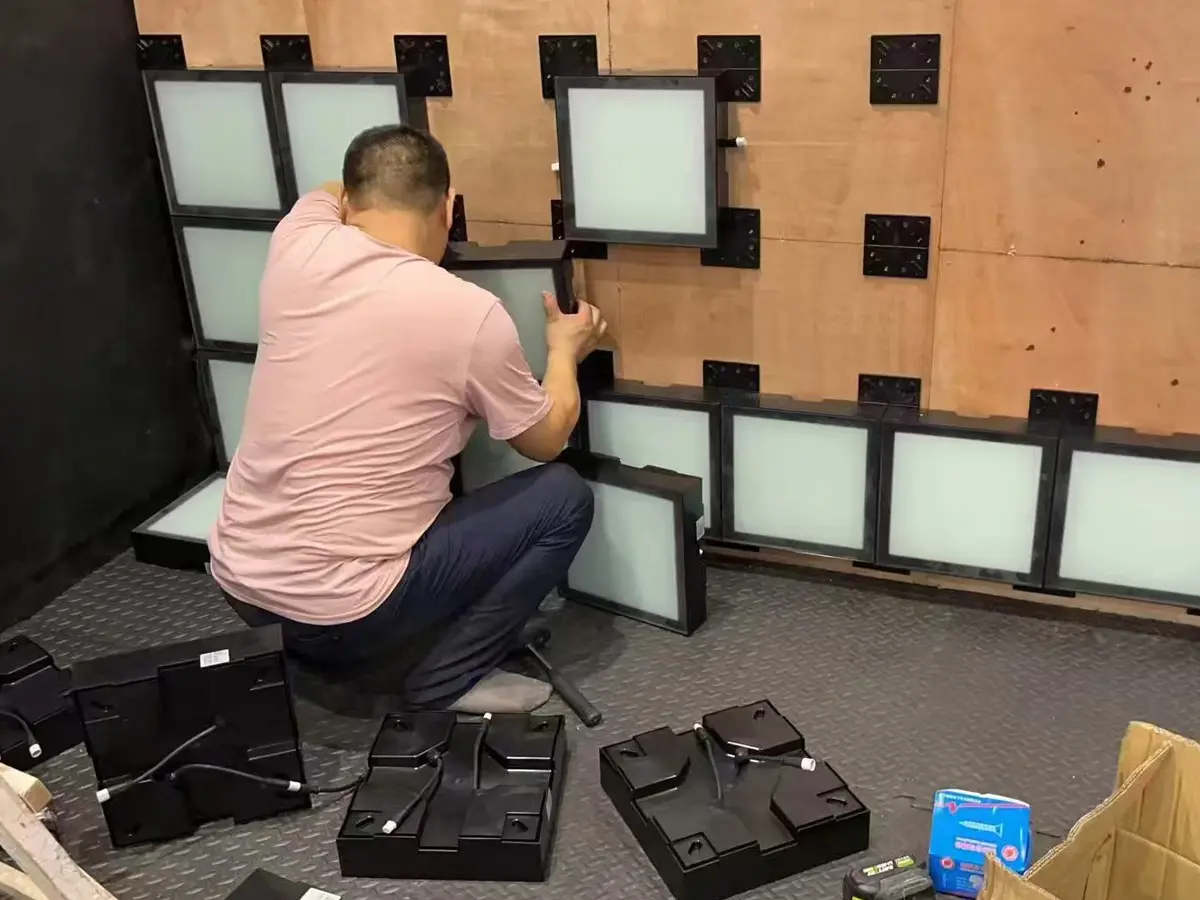
Real Project Example: Interactive Floor Gaming Zone Installation In California, USA
A practical example of active gaming development is the installation of an interactive floor gaming system for a family entertainment center in California, USA.
The project goal was to introduce a highly engaging attraction that could encourage visitors to participate through physical movement while integrating smoothly with the existing entertainment environment.
Unlike traditional arcade equipment designed mainly for individual play, the interactive floor system was developed as a social attraction where families and groups could participate together.
Before installation, the project team evaluated the available space, customer flow, and entertainment objectives to determine the most suitable configuration.
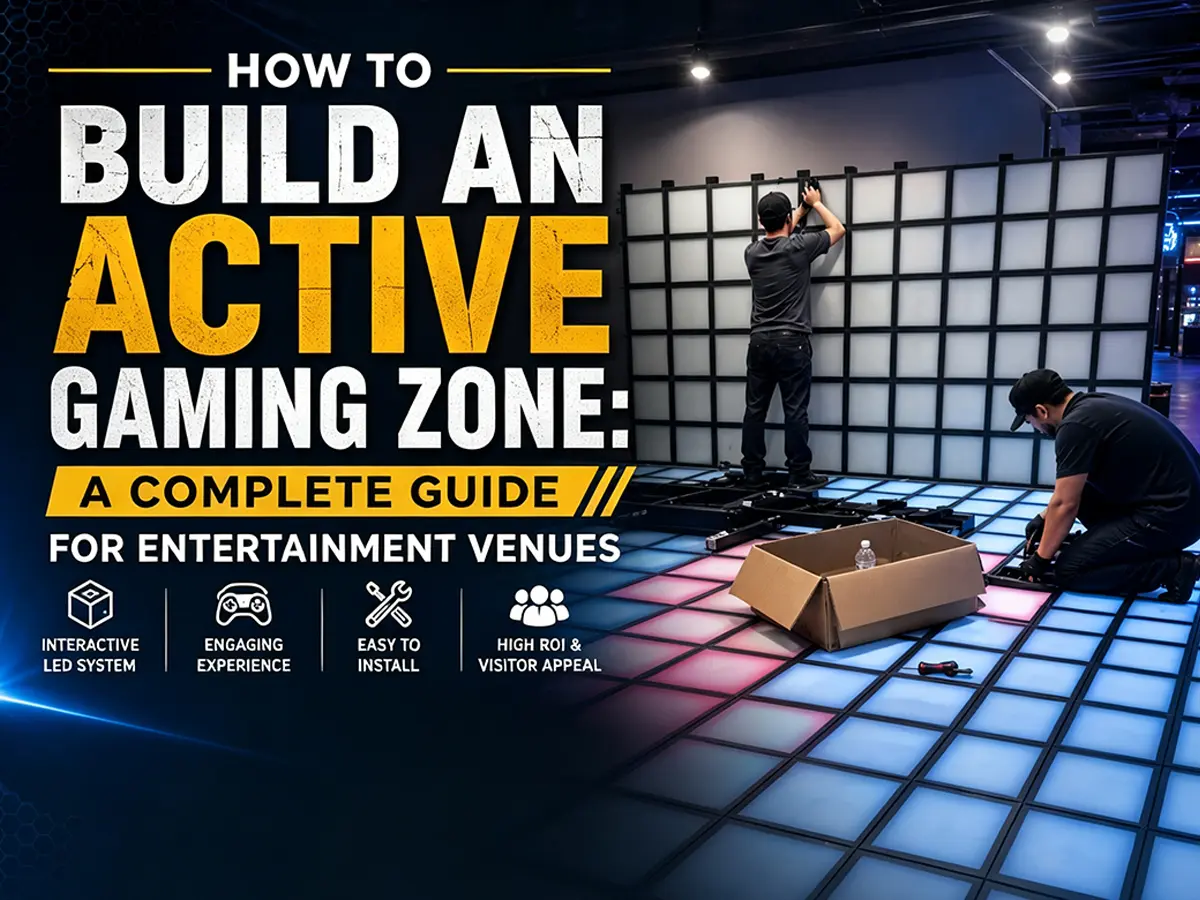
The installed interactive floor gaming solution used modular LED floor technology combined with interactive gameplay content, allowing multiple players to participate through movement-based challenges.
During installation, the project involved equipment setup, system configuration, gameplay testing, and final optimization to ensure reliable operation in a commercial environment.
The project demonstrates an important principle in active gaming development: successful entertainment spaces are created by combining suitable technology with thoughtful venue planning.
For operators, active gaming is not simply a new type of equipment. It represents a new approach to creating interactive and memorable entertainment experiences.
Working With An Experienced Active Gaming Manufacturer
Building an active gaming zone requires cooperation between venue operators, designers, and equipment manufacturers.
A professional manufacturer should provide more than standard products. The right partner should understand project requirements and provide support throughout the development process.
This includes concept discussion, equipment recommendations, customized solutions, manufacturing, technical support, and installation guidance.
As an active gaming equipment manufacturer, AMA GAME works with entertainment operators and project developers worldwide to create interactive gaming solutions for different commercial environments.
From interactive floor game installations to complete active entertainment zones, AMA GAME focuses on developing practical solutions that combine technology, reliability, and commercial value.
Conclusion
Building an active gaming zone is a process that combines entertainment concept design, space planning, technology selection, and operational strategy.
The growth of successful active entertainment venues such as Activate Games shows that customers are looking for more interactive and social experiences.
For investors and entertainment operators, the opportunity is not only to install new equipment but to create a destination where visitors actively participate, connect with others, and return for new experiences.
A successful active gaming project requires the right concept, the right technology, and the right manufacturing partner.
FAQ
1. How much space is needed to build an active gaming zone?
The required space depends on the type of experience, equipment selection, and expected number of players. Small interactive gaming areas can start from around 10 square meters, while larger active entertainment venues may require 50 square meters or more to support multiple attractions and group activities.
2. What equipment is needed for an active gaming zone?
An active gaming zone can include interactive floor games, sports simulators, VR attractions, and other motion-based entertainment systems. The ideal equipment combination depends on the venue type, customer profile, available space, and business goals.
3. How much does it cost to build an active gaming zone?
The investment cost varies depending on the project size, equipment configuration, customization requirements, and installation conditions. A compact interactive gaming area requires a different investment level compared with a complete active entertainment venue with multiple attractions.
4. Can an active gaming zone be customized for different venues?
Yes. Professional active gaming manufacturers can customize equipment combinations, game content, branding, and layouts according to different environments, including FECs, shopping malls, resorts, and entertainment centers.
5. What type of venues are suitable for active gaming zones?
Active gaming zones can be installed in various commercial locations, including family entertainment centers, shopping malls, amusement parks, resorts, sports centers, and indoor recreation facilities. The final solution depends on the target audience and available space.
6. How long does it take to install an active gaming zone?
The installation timeline depends on project complexity, equipment quantity, venue preparation, and customization requirements. A professional manufacturer usually evaluates the site conditions first before providing a detailed production and installation schedule.
7. What should I consider when choosing an active gaming equipment manufacturer?
A reliable manufacturer should provide more than equipment supply. Important factors include product quality, customization capability, project experience, technical support, installation guidance, and after-sales service.
8. Can interactive floor games be used as the main attraction in an active gaming zone?
Yes. Interactive floor games can work as a primary attraction because they provide high visibility, easy participation, and multiplayer interaction. They are especially suitable for FECs and shopping mall entertainment areas where attracting attention and encouraging group participation are important.